What is Case Management? Complete Guide & Examples!

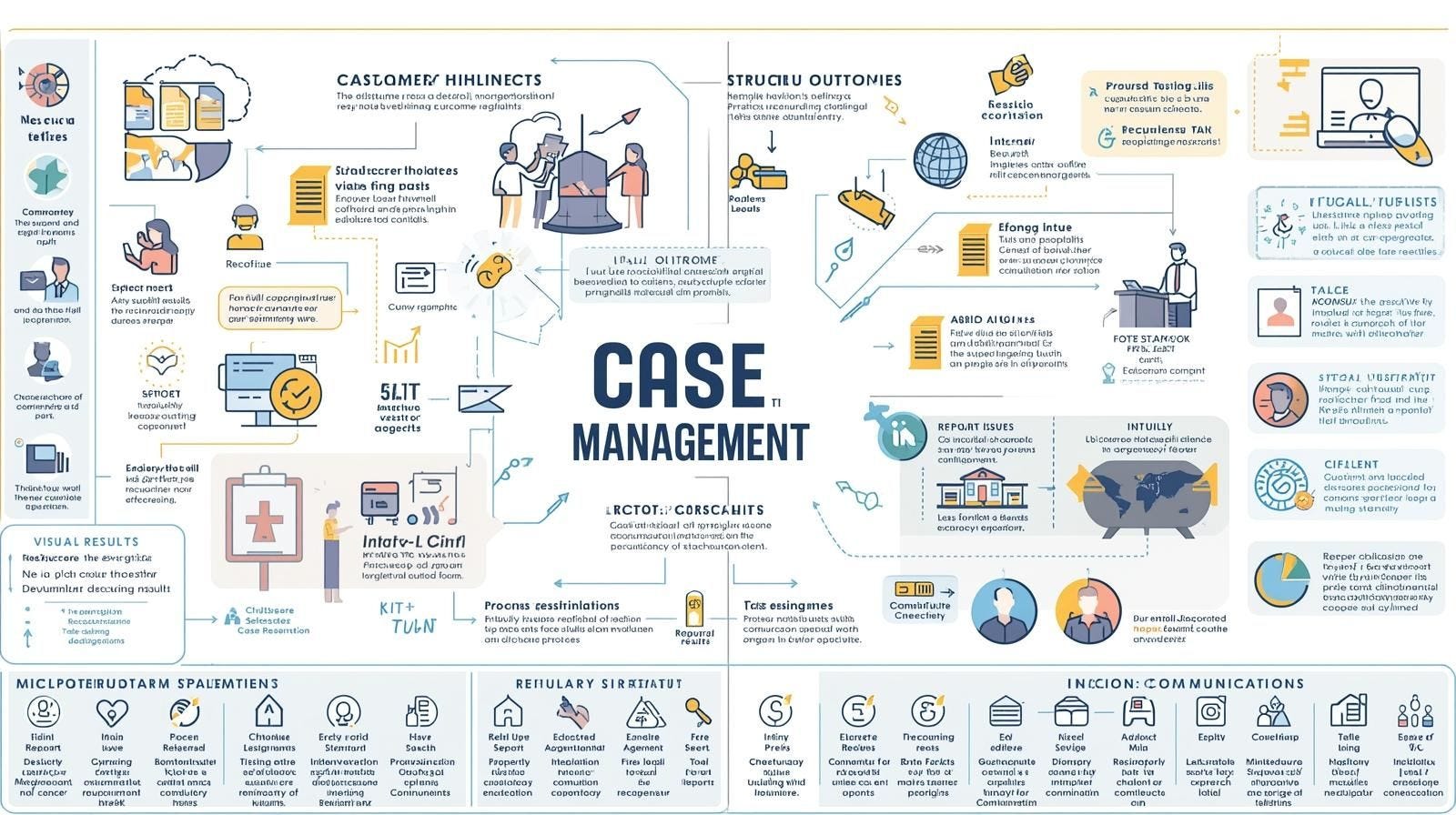
Organizations use case management as a structured method to proceed with their casework from initial handling through final resolution. A case encompasses any situation that requires resolution through the handling of customer complaints, legal issues, incident reports, and internal work assignments. Through effective case management, all essential information gets structured. The existing workflows achieve better efficiency. The organization achieves both timely outcomes and consistent results through its work.
Organizations that need to meet regulatory standards should use case management together with compliance monitoring tools, which help maintain responsibility while decreasing danger.
Understanding Case Management
Case management functions as a system that allows organizations to monitor their casework through information handling, process coordination, and communication methods. The platform enables teams to capture case information while distributing tasks, monitoring progress, and creating reports. The method achieves better visibility through reduced mistakes while ensuring that every case receives proper attention.
Case management exists as a common practice among multiple sectors, including healthcare, legal, customer service, finance, and government operations. The system enables healthcare providers to track patient treatment progress through their medical appointments and all necessary follow-up procedures. The system helps companies handle all compliance matters while managing employee complaints and handling customer inquiries.
Key Features of Effective Case Management
1. Centralized Database – The system stores all case details in a single location, which enables users to quickly find and modify information.
2. Workflow Automation – The system uses automatic alerts to handle upcoming tasks, which makes work processes faster while decreasing waiting times.
3. Collaboration Tools – The case system enables teams to exchange information, which helps them work together more effectively.
4. Reporting and Analytics – Organizations can use case data analysis to discover business patterns that will help them to enhance their operational activities.
5. Reporting and Analytics – Organizations use insights from case data to identify trends and process improvements.
6. Compliance Integration – The compliance monitoring system integrates with case handling to ensure legal and regulatory requirements are followed.
Examples of Case Management
Customer Service: The department monitors and records customer complaints through support tickets until they reach their final solution.
Legal: The department coordinates the management of all litigation cases and court schedules together with necessary legal documentation.
Human Resources: The department manages all employee complaints and investigations into workplace incidents and policy violations.
Healthcare: The department manages patient treatment through a complete system for coordinating all patient care activities and following up on patient treatment progress.
Conclusion
Organizations use case management to create efficient operations while achieving both accountability and compliance. Organizations can solve cases through better methods that use centralized data and workflow automation, and performance monitoring. All companies that need advanced case management tools with real-time compliance monitoring should choose Fieldwatch.ai because it provides effective solutions that protect their brand while guaranteeing they follow all regulations.
FAQs
1. What is case management?
The process of case management involves tracking and organizing cases, which include complaints and incidents, and legal matters, until they reach resolution.
2. Which industries use case management?
The healthcare, legal, finance, government, and customer service sectors use case management systems as standard practice.
3. What are the benefits of case management?
The system increases efficiency while holding people accountable, improving teamwork, and minimizing mistakes.
4. How do compliance monitoring tools help in case management?
They ensure that all cases are handled according to legal and regulatory requirements.
5. Can case management systems automate tasks?
The system uses workflow automation to distribute work tasks and deliver alerts while it simplifies the process of resolving cases.